
हमें कॉल करें now :07971191225
 जांच भेजें
 जांच भेजें
Price 32599 आईएनआर/ टुकड़ा
MOQ : 1 टुकड़ा
Specification
- Output Signal
- 4-20 mA, Pulse, RS485
- Protection Class
- IP65 or higher
- Flow Range
- 0.05 - 10 m/s
- Lining Material
- PTFE/Ebonite/Rubber
- Application
- Clean water, Wastewater, Industrial fluids
- Medium Temperature
- 0°C to 80°C
- Communication Protocol
- Modbus, HART (optional)
- Installation Method
- Flange, Sandwich, Threaded
- Nominal Pressure
- Up to 1.6 MPa
- Electrode Material
- Stainless Steel, Hastelloy, Titanium
Trade Information
- Minimum Order Quantity
- 1 टुकड़ा
- भुगतान की शर्तें
- , , , ,
- आपूर्ति की क्षमता
- प्रति दिन
- डिलीवरी का समय
- दिन
- नमूना नीति
- मुख्य घरेलू बाज़ार
About
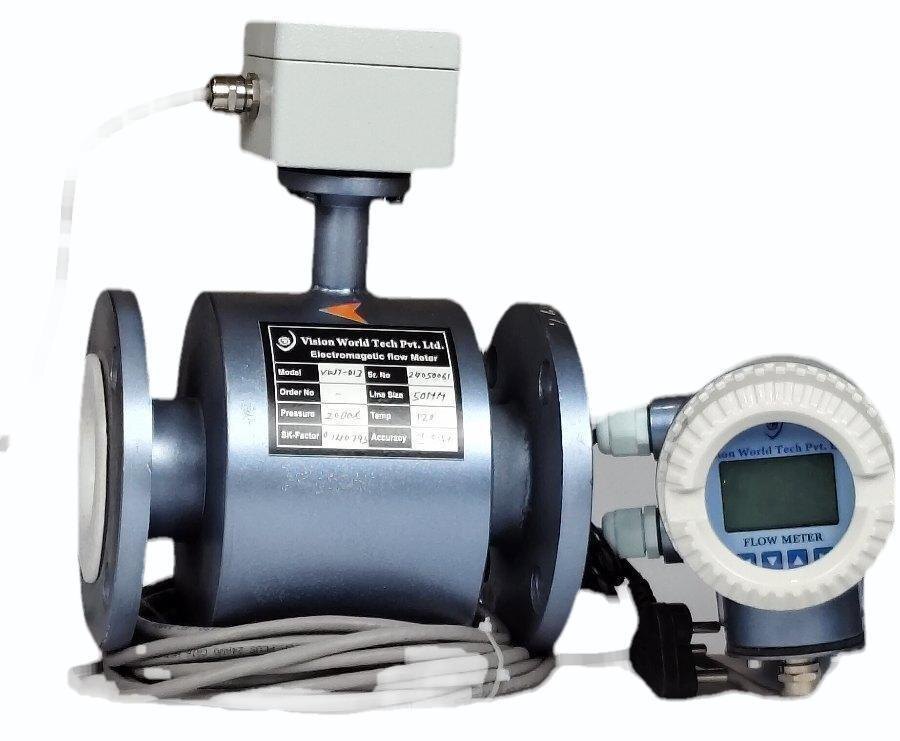
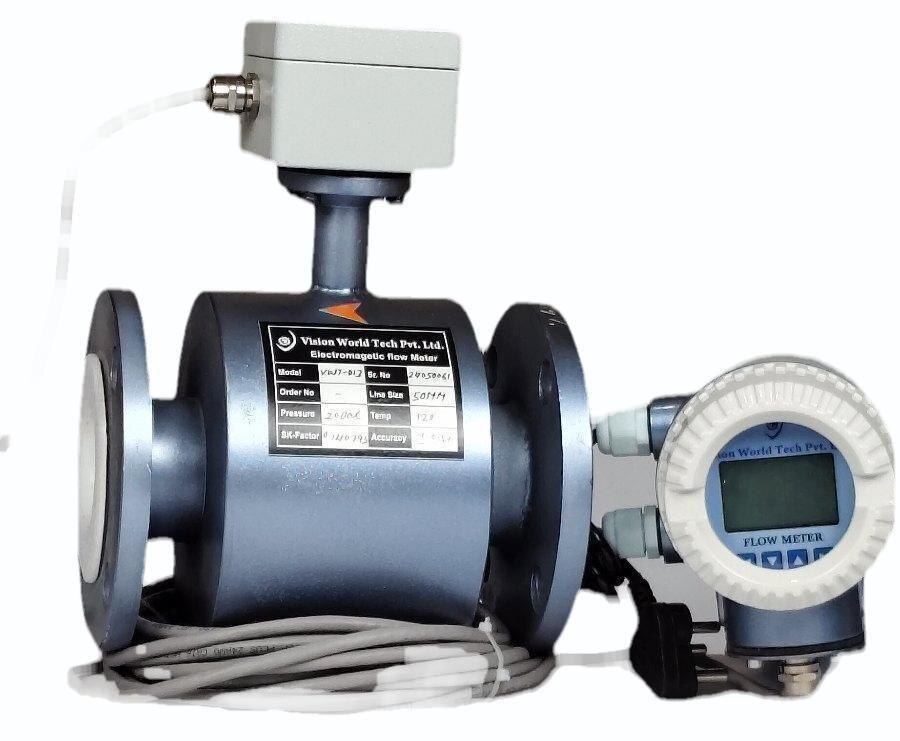
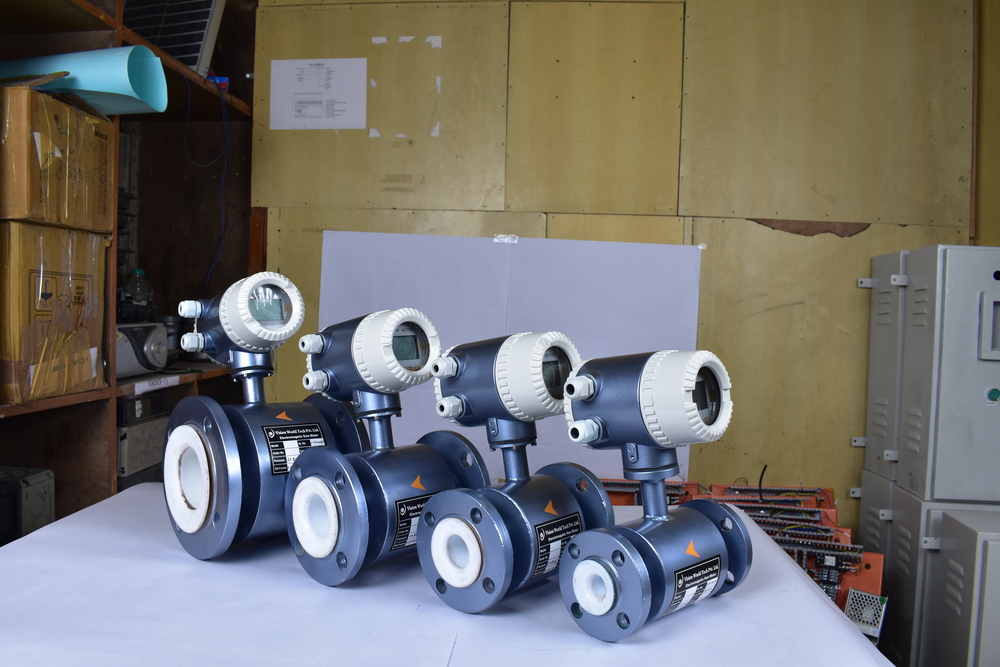
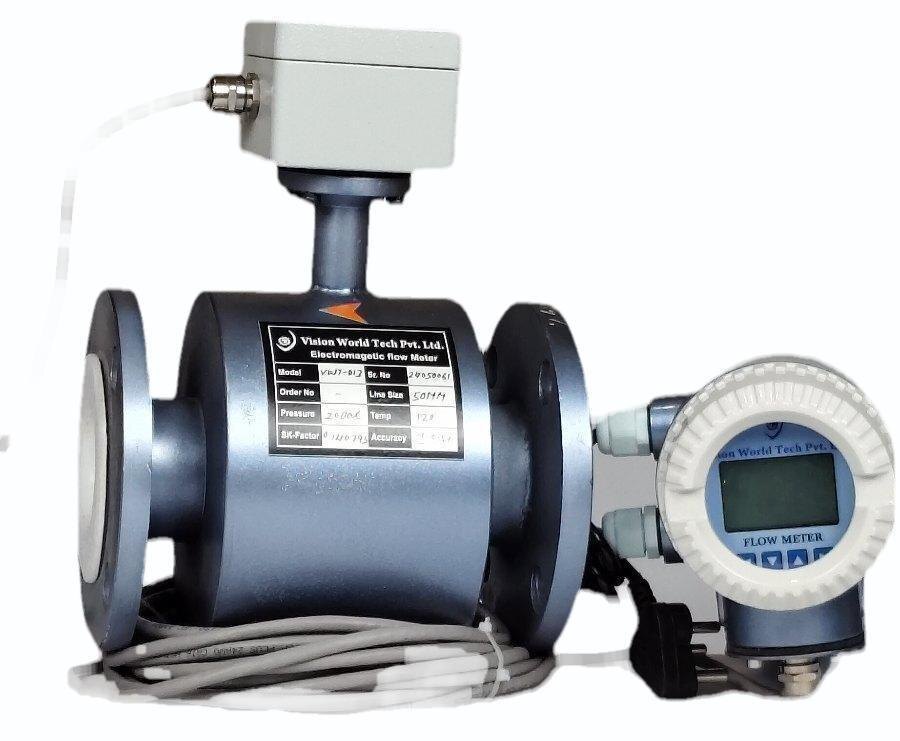
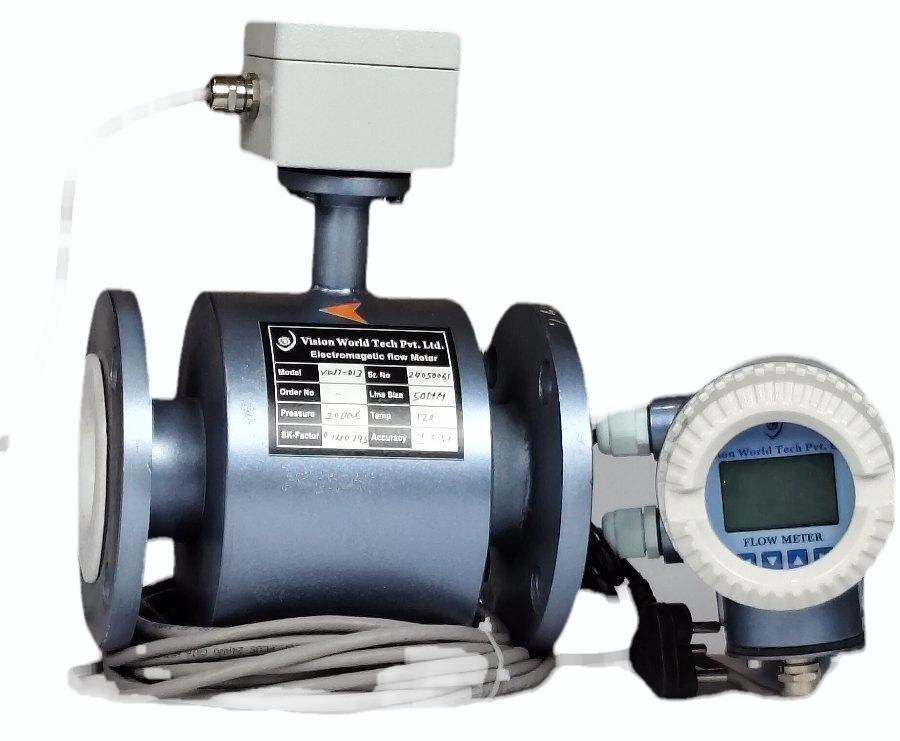
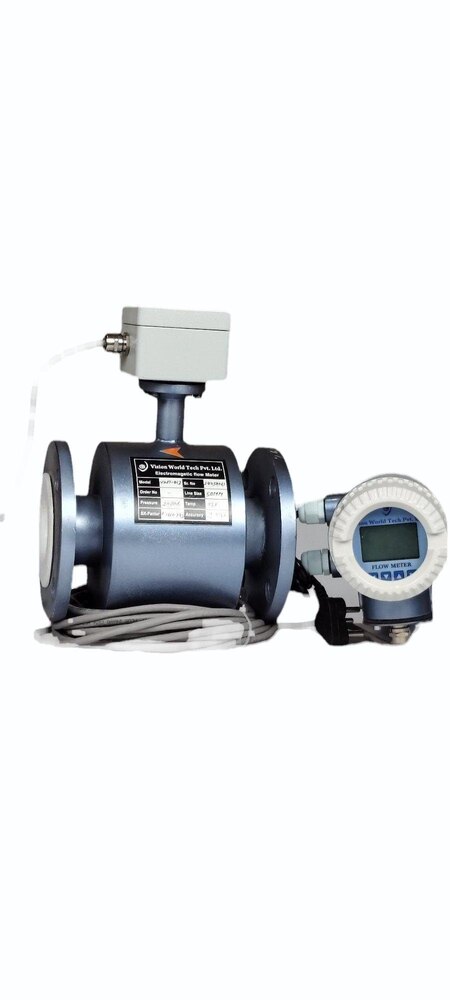
| Model VIFLOWMAG013 |
| Diameter Flange Type DN10 DN500 |
| Electrode Type SS 316L |
| Lining Material PolytetrafluoroethlenePTFE Polyurethane Rubber PU Natural Rubber NR |
| Measured Pipe Stainless Steel |
| Power Supply 100V AC 240V AC 12V DC 24V DC |
| Output Signal Pulse Output RS485 420mA |
| IP Protection IP65 IP68 |
| Environmental Temp 20 C 60 C |
| Country of Origin India |
| Frequency 50 Hz |
| Accuracy 05 |
| Display Digital |
| Housing MSSS |
| Rated Pressure Customizable 20Bar 20Bar by default |
Versatile Measurement for Multiple Applications
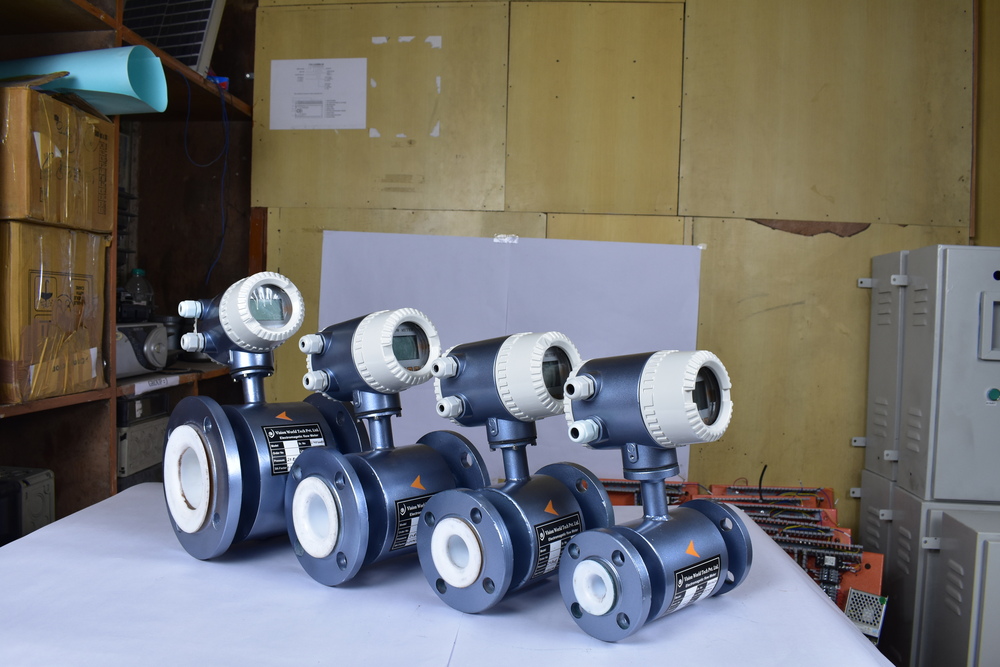
Whether you're monitoring clean water, managing wastewater treatment, or handling industrial fluids, our electromagnetic water meter delivers consistent and accurate readings. Its robust construction ensures reliability under varying fluid conditions common in municipal, industrial, and water utility settings.
Durable Design with Premium Materials
Constructed with high-quality PTFE, ebonite, or rubber linings and electrodes made from stainless steel, Hastelloy, or titanium, this meter is engineered for longevity. The advanced IP65 protection guards the device against dust and water, ensuring seamless performance even in demanding environments.
FAQ's of electromagnetic water meter:
Q: How does the electromagnetic water meter measure flow?
A: The meter uses Faraday's Law of electromagnetic induction. As fluid passes through the meter's magnetic field, it generates a voltage. This voltage is proportional to the flow velocity, enabling accurate measurement across a flow range of 0.05 to 10 m/s.Q: What types of fluids can be measured with this electromagnetic water meter?
A: This meter is suitable for clean water, wastewater, and various industrial fluids. Its versatile lining and electrode options allow it to handle aggressive or conductive liquids found in many industrial processes.Q: When should I choose an electromagnetic water meter over other types of flow meters?
A: Electromagnetic meters are best chosen for applications involving conductive liquids where low maintenance, high accuracy, and no moving parts are desired, such as in municipal water supply, wastewater management, or industrial process monitoring.Q: Where can the meter be installed, and what are the installation methods?
A: The meter can be installed in any suitable section of pipe using flange, sandwich, or threaded connections, depending on your system requirements. Its durable construction and IP65 rating make it suitable for both indoor and outdoor installations.Q: What process signals and communication protocols are supported?
A: Standard output signals include 4-20 mA, pulse, and RS485. For enhanced control and data logging, optional Modbus or HART protocols are available, facilitating integration with modern automation or SCADA systems.Q: How does using this meter benefit my water management or industrial process?
A: With high accuracy, broad compatibility, and minimal maintenance, this meter ensures optimal monitoring, reduces operational costs, and supports regulatory compliance. Its robust construction enables long-term, reliable service even in challenging environments.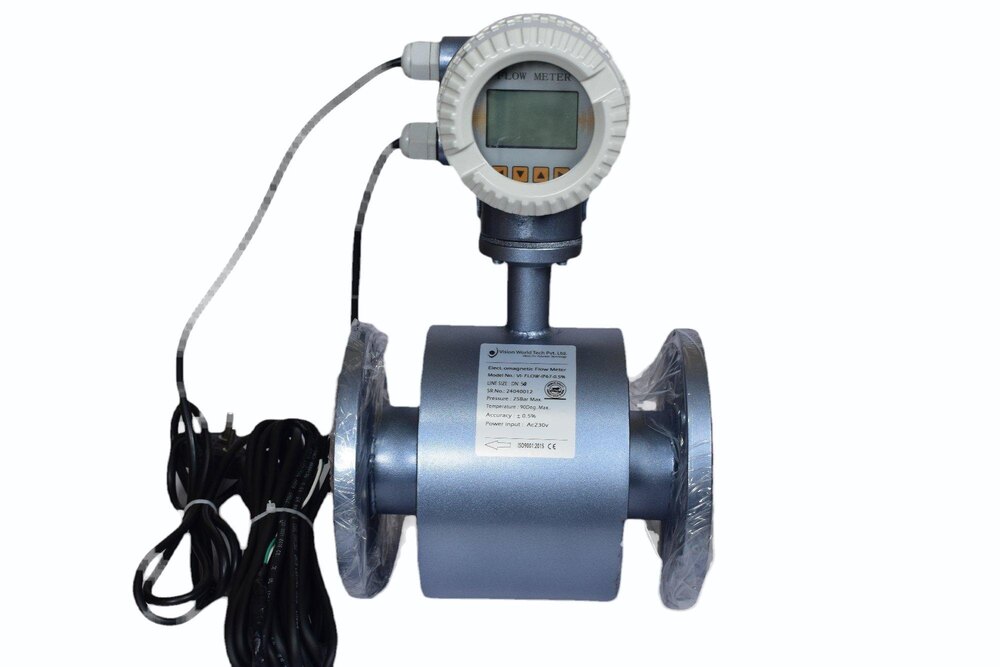
Tell us about your requirement

Price: Â
Quantity
Select Unit
- 50
- 100
- 200
- 250
- 500
- 1000+
Additional detail
मोबाइल number
Email

अधिक Products in Installation सेवाएं Category


 जांच भेजें
हमारे उत्पाद
- विद्युत चुम्बकीय प्रवाह मीटर
- डिजिटल जल स्तर रिकॉर्डर
- टेलीमेट्री प्रणाली
- जल स्तर सूचक
- Measuring Tools & Equipment
- Measuring Tools & Equipment
- Measuring Tools & Equipment
- Measuring Tools & Equipment
- Measuring Tools & Equipment
- Measuring Tools & Equipment
- Measuring Tools & Equipment
- Measuring Tools & Equipment
- Measuring Tools & Equipment


ा-15, जय अम्बे नगर, सैमसंग स्मार्ट कैफ़े वाली गली, इन्फ्रोन्ट ऑफ़ जयपुर हॉस्पिटल, टोंक रोड,जयपुर - 302015, राजस्थान Rajasthan, भारत

मर वचन सिंह राठौर
(निदेशक)
मोबाइल :07971191225
 जांच भेजें
 एसएमएस भेजें
 मुझे निःशुल्क कॉल करें
इन्फोकॉम नेटवर्क प्राइवेट लिमिटेड . द्वारा विकसित एवं प्रबंधित


